How Home Insurance Works in Texas
A Texas homeowners policy is a contract between you and an insurance carrier. You pay a regular premium - monthly or annually - and in exchange, the carrier agrees to pay for covered losses up to your policy limits.
Standard policies in Texas cover losses from fire, lightning, theft, vandalism, wind, and hail. They do not automatically cover flood damage from rising water, earthquake, or earth movement. These require separate policies or endorsements.
Texas uses standard policy forms, but how they're applied - especially for wind, hail, and named storm events - varies significantly by carrier and by your property's location. That's why working with an independent agent matters.

Texas Home Insurance Isn't One-Size-Fits-All
Where your home sits in Texas changes your risk profile dramatically. Gulf Coast homes have hurricane and flood exposure. North Texas homes are in Tornado Alley. Central Texas Hill Country homes may face wildfire risk. Understanding your region's specific hazards is the first step to getting the right coverage.
What Affects Your Texas Home Insurance Cost
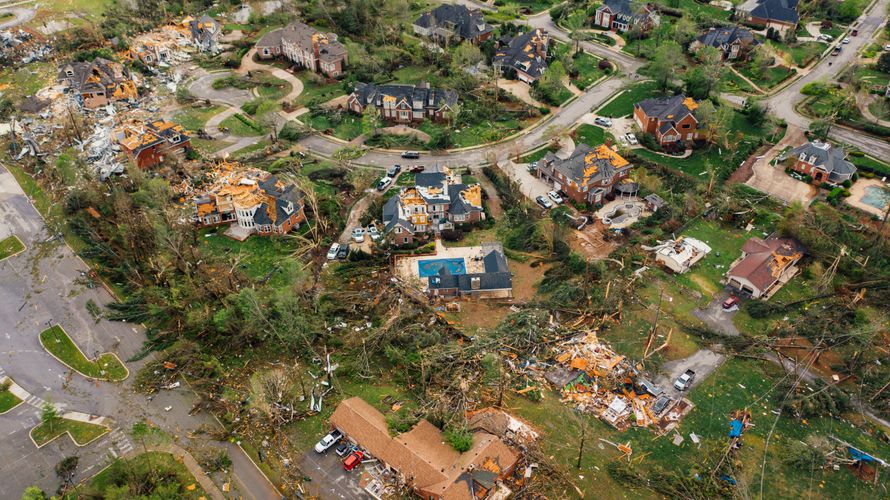
Home insurance services in Texas cost more than the national average - a consistent finding in annual state-level premium data published by the Insurance Information Institute. Texas historically ranks among the five most expensive states for homeowners premiums, driven by its high exposure to Gulf hurricanes, large hail, and severe thunderstorms. What you'll pay depends on your specific property: a newer inland home with a recent roof will cost considerably less to insure than an older coastal home in a flood zone with an aging roof.
The factors that move the needle most are roof age and material, your home's location relative to the Gulf Coast or a flood zone, the dwelling replacement cost (how much it would cost to fully rebuild), and the deductible structures you choose. An independent agent can shop your profile across multiple carriers to find the most competitive rate for your specific situation.
Proximity to coast, flood zones, fire stations, and storm tracks all affect your rate
Older homes, wood-frame construction, and dated roofing typically cost more to insure
Roof replacement cost and remaining useful life are major rating factors in Texas
The estimated cost to fully rebuild - not market value - determines your dwelling limit and premium
A history of frequent claims will increase your premium with most carriers
Higher deductibles lower your premium but mean more out-of-pocket at claim time
Replacement cost coverage costs more but eliminates depreciation gaps at claim time
Texas policies often have a separate, higher deductible for wind and hail events
Sewer backup, equipment breakdown, scheduled valuables, and other add-ons increase the base premium
Separate flood (NFIP or private) and TWIA windstorm policies add to your total insurance cost
Note on pricing: We do not publish static price ranges because they go out of date quickly and vary dramatically by property, location, and current market conditions. The fastest way to understand what your specific coverage will cost is to call us directly at 281-445-1381 for a current quote.
Is Baxter Insurance Agency Right for You?

- Own a home in Texas and want an independent agent to compare multiple carriers
- Are buying a home and need coverage before your closing date
- Have a property in a flood zone, coastal area, or wildfire-adjacent region
- Haven't reviewed your policy limits recently and are unsure whether coverage is adequate
- Had a claim denied or partially paid and want a second opinion on your options
- Own an older home that some carriers decline to insure at standard rates
- You are looking for renter's insurance only (we focus on homeowners coverage)
- Your home is outside Texas (we serve Texas-based properties)
- You need a same-day policy without any review of your property or coverage needs
- You are looking for coverage for a commercial property (not our focus)
If we can't help with your specific situation, we'll tell you directly and point you toward the right resource.
How the Process Works

Call or Reach Out
Call 281-445-1381 during business hours. A licensed professional at Baxter Insurance Agency will answer - not a call center.
Property Review
We review your home's details - location, age, construction, current coverage, and any specific risk factors for your area.
Market Comparison
As an independent agency, we shop your coverage across multiple carriers to find options that fit your property and budget.
Coverage Decision
We walk you through your options in plain language so you can make an informed decision about your coverage.
Key Coverage Decisions for Texas Buyers
Comparing policies in Texas means more than looking at the premium line. The decisions below are the ones that most often determine whether a claim is paid in full - or comes with a costly gap. Use this as a checklist when reviewing any quote.

| Coverage Decision | Standard Option | What to Ask About |
|---|---|---|
| Dwelling limit | Set at purchase or estimated value | Is it enough to fully rebuild at today's construction costs? |
| Flood coverage | Not included in standard policy | Do you need NFIP or private flood based on your flood zone? |
| Wind deductible | Varies by carrier and location | Is it a flat dollar amount or a % of dwelling? What triggers it? |
| Coastal windstorm | Often excluded in designated zones | Do you need TWIA coverage for your county? |
| Roof coverage | ACV or replacement cost depending on age | Will your carrier pay full replacement or depreciated value? |
| Liability limit | Typically $100k–$300k | Is the limit adequate if someone is seriously injured on your property? |
| Personal property | ACV by default | Should you upgrade to replacement cost for your contents? |
Common Questions Before Calling
Q.I already have insurance through my mortgage lender - do I need to call?
Lender-placed insurance (force-placed coverage) protects the lender's interest in your property, not yours. It typically costs more, covers less, and does not protect your personal belongings or liability. Calling to review your options is worth a few minutes.
Q.I've been with the same company for years - isn't it better to stay?
Loyalty doesn't always translate to the best coverage or rate. The Texas homeowners insurance market changes frequently. An independent review costs nothing and may find you better coverage, a better price, or both.
Q.My home is older - will any company insure it?
Older homes can be more complex to insure, but options exist. Working with an independent agent who knows which carriers are comfortable with older construction, updated wiring, or non-standard features will save you time and frustration.
Q.I'm worried about the cost - is there anything I can do?
Deductible adjustments, coverage calibration, and comparing carriers can all affect your final premium. The goal is to find the right coverage for your property - not the cheapest policy that leaves gaps when you need it most.
Q.Do I really need flood insurance if I'm not in a high-risk zone?
FEMA maps are updated irregularly and don't capture all flood risk. Some of the most damaging flood events in Texas history have affected properties outside mapped Special Flood Hazard Areas. The decision depends on your specific location, drainage, and risk tolerance.
Q.What information do I need before I call?
Your address, approximate year built, square footage, current policy details (if you have them), and any recent improvements are helpful. We can work with partial information - don't let an incomplete file stop you from calling.
Buyer Questions - Answered Directly

Who is home insurance in Texas best for?
Home insurance is essential for any Texas homeowner - particularly anyone with a mortgage (which requires it), anyone in a storm-exposed region, or anyone who would face serious financial hardship replacing their home and belongings after a major loss. Texas's combination of hurricane, tornado, hail, and flood risks makes adequate coverage especially important here compared to many other states.
How does home insurance work in Texas?
You purchase a policy from a licensed carrier and pay a regular premium. If a covered loss occurs - fire, wind, hail, theft, liability claim - you file a claim and pay your deductible, and the carrier pays for the remaining covered damage up to your policy limits. Texas-specific nuances include separate windstorm and flood policies in coastal areas, wind/hail deductible structures, and the Texas FAIR Plan as a last-resort option for hard-to-insure properties.
What factors drive your Texas home insurance premium?
Your location (coastal vs. inland, flood zone, fire station proximity), home age and construction type, roof age and material, dwelling replacement cost, your deductible choices, and your personal claims history all affect your premium. Texas rates are generally higher than the national average because of the state's high exposure to hurricanes, large hail, and severe thunderstorms.
What should I verify before choosing home insurance?
Verify that your dwelling coverage is enough to fully rebuild your home at current construction costs. Confirm what perils are covered and excluded - especially flood and wind in coastal counties. Review your deductible structure for all perils, including any separate wind/hail deductible. Ask about any endorsements relevant to your property's specific risks. Review the carrier's financial stability and claims reputation.
When should someone look beyond standard home insurance?
If your property is in a designated Texas windstorm catastrophe zone (coastal counties), you'll need a separate TWIA windstorm policy - a standard policy alone is not adequate. If your home is in or near a FEMA flood zone, a separate flood policy through the National Flood Insurance Program (NFIP) or a private flood carrier fills a major gap. If your home is very old, has significant deferred maintenance, or is in an area where standard carriers have withdrawn coverage, the Texas FAIR Plan or surplus lines market may be relevant.
Where can I find reliable home insurance services in Texas?
To find reliable home insurance services in Texas, start with an independent insurance agent licensed by the Texas Department of Insurance (TDI). Independent agents are not tied to a single carrier - they shop your coverage across multiple companies, which means you get options rather than a single take-it-or-leave-it quote.
Baxter Insurance Agency, Inc. is an independent agency licensed in Texas, serving homeowners in San Antonio, Houston, Dallas, Austin, and 17 other Texas cities. You can verify the license status of any Texas agent or company through the TDI license lookup at tdi.texas.gov before you call.
What should I compare when choosing home insurance?
When comparing home insurance services, the four most important things to evaluate are: (1) whether your dwelling coverage is high enough to fully rebuild your home at current construction costs - not just its market value; (2) which perils are excluded, particularly flood and coastal wind in Texas; (3) the deductible structure, including whether there is a separate, higher wind/hail deductible; and (4) whether roof and personal property coverage is replacement cost or actual cash value. A lower premium that leaves major coverage gaps will cost far more at claim time than a policy priced accurately for your risk. The comparison table on this page covers the key decisions specific to Texas buyers.
What questions should I ask a home insurance agent?
Before committing to a policy, ask your agent: Is my dwelling limit high enough to rebuild at today's construction costs? What specific perils are excluded - and do I need separate flood or windstorm coverage for my location? How is wind and hail handled - is there a separate deductible, and what triggers it? Is my roof covered at replacement cost or actual cash value? What is this carrier's financial strength rating? Are there discounts available for my property (roof material, security systems, bundling)? An independent agent can answer these questions while showing you comparable options from multiple carriers at the same time - something a captive or direct-writer agent cannot do.
- Texas Department of Insurance - Homeowners Insurance Guide - Consumer tips and shopping guidance from the state regulator.
- FloodSmart.gov (FEMA / NFIP) - Check your flood zone and learn how federal flood insurance works.
- Texas Windstorm Insurance Association (TWIA) - Windstorm coverage for properties in designated Texas coastal counties.
- Texas FAIR Plan Association - Last-resort fire and extended coverage for properties that can't get standard market coverage.
Texas Cities We Serve
Baxter Insurance Agency serves homeowners across Texas with independent insurance options. Each city page provides local risk information and coverage guidance specific to that area.
About Baxter Insurance Agency, Inc.
Baxter Insurance Agency, Inc. is an independent insurance agency based in Houston, Texas. As an independent agency, we are not captive to a single carrier - we work with multiple insurance companies to find coverage options that fit each client's specific property and situation.
Our office is located at 450 N. Sam Houston Pkwy E #103, Houston, TX 77060. We are available Monday through Friday, 9am–4:30pm CST.
Texas homeowners have complex, location-specific insurance needs. We focus exclusively on finding the right coverage - not the quickest sale.
- Phone
- 281-445-1381
- Address
- 450 N. Sam Houston Pkwy E #103, Houston, TX 77060
- Hours
- Mon–Fri 9am–4:30pm CST
- Service Area
- Texas statewide
Get a Free Texas Home Insurance Quote
The fastest way to get a quote is to call us directly. Or leave your name and number and we'll call you back.
Baxter Insurance Agency, Inc.
This is an independent insurance agency. By calling or submitting, you will speak directly with a licensed insurance professional at Baxter Insurance Agency, Inc.
Texas home insurance is not a one-size-fits-all purchase. If you own a home in Texas and want an independent review of your coverage options - call 281-445-1381. We'll give you a straight answer about what coverage makes sense for your property.